
Backsplash Installation Around Outlets, Windows, and Range Hoods: What Skilled Installers Charge For
May 13, 2026
Backsplash installation is often perceived as a straightforward finishing touch, but the reality is far more complex when working around outlets, windows, and range hoods. These areas introduce precision challenges that demand advanced skills, specialized tools, and careful planning. Homeowners frequently underestimate the level of craftsmanship required, which is why installation costs can vary significantly. Understanding what skilled installers charge—and why—provides clarity when budgeting and helps avoid costly mistakes during kitchen upgrades.
In today’s remodeling market, attention to detail directly impacts both visual appeal and long-term durability. Poorly cut tiles around electrical outlets or uneven edges near windows can compromise the entire design. Similarly, improper installation around a range hood can affect both safety and aesthetics. Professional installers account for these variables when pricing their work, factoring in time, complexity, and materials. By exploring how these elements influence costs, it becomes easier to recognize the true value of expert installation and make informed decisions that enhance both function and design.
6. Benefits of Hiring Skilled Installers
Quality and Durability
Professional installation ensures that tiles are properly aligned, securely bonded, and finished with precision. This level of quality enhances both the appearance and longevity of the backsplash.
Time Efficiency
While DIY installation may seem cost-effective, it often leads to delays and mistakes. Skilled installers complete projects efficiently, minimizing disruption and ensuring timely completion.
Long-Term Value
Investing in professional installation reduces the risk of costly repairs or replacements. Properly installed backsplashes are more resistant to moisture, heat, and wear, providing long-term value.
Avoiding Common Mistakes
Common DIY mistakes include uneven grout lines, poorly cut tiles, and inadequate sealing. These issues not only affect aesthetics but can also lead to functional problems. Professional installers have the expertise to avoid these pitfalls and deliver a polished result.
Skilled Specialists Providing High-Quality Backsplash Solutions
Backsplash installation around outlets, windows, and range hoods requires far more than basic tiling skills. These areas introduce complexities that demand precision, planning, and technical expertise. From intricate tile cuts around electrical outlets to achieving symmetry near range hoods, each detail contributes to both the final appearance and overall cost. Understanding how skilled installers price these challenges helps set realistic expectations and highlights the value of professional craftsmanship. Choosing experienced installers ensures that every element is handled correctly, from safety considerations to aesthetic details. The result is a backsplash that not only enhances the kitchen’s visual appeal but also stands the test of time. Investing in quality installation ultimately protects the overall renovation investment and delivers a finish that meets both functional and design standards.
With over 17
years of experience, AMC Kitchen & Bath
in Colorado Springs, Colorado, delivers
expert backsplash installation
tailored to complex kitchen layouts. We understand the challenges involved in working around outlets, windows, and range hoods, and we approach every project with precision and attention to detail. Our commitment to quality ensures that each installation is both visually striking and built to last. We prioritize clear communication, accurate estimates, and efficient project timelines, helping homeowners feel confident throughout the process. Every backsplash we install reflects a balance of craftsmanship and functionality, designed to elevate the entire kitchen space. By combining industry expertise with a customer-focused approach, we continue to provide reliable solutions that meet the highest standards.
1. Why Complex Areas Increase Installation Costs
Precision Work Around Obstacles
Backsplash installation becomes significantly more labor-intensive when obstacles such as outlets, windows, and range hoods are involved. Each interruption in a flat wall surface requires precise tile cutting and alignment. Unlike open wall sections where tiles can be laid in a continuous pattern, these areas demand custom shaping. Installers must measure each cut carefully, often multiple times, to ensure a seamless fit without gaps or uneven spacing.
This level of precision requires experience and patience. Even a slight miscalculation can result in wasted material or visible imperfections. Skilled installers incorporate this extra effort into their pricing because the margin for error is extremely small.
Increased Labor Time and Planning
Time is one of the biggest cost drivers in backsplash installation. Complex layouts can double or even triple the installation time compared to a standard wall. For example, a kitchen with multiple outlets and a large window may require hours of additional cutting, dry fitting, and adjustments.
Planning also plays a critical role. Installers must map out tile placement in advance to avoid awkward cuts or mismatched patterns. This preparation ensures a balanced and visually appealing result but adds to the overall project cost.
2. Installation Around Electrical Outlets
Cutting Techniques and Tools
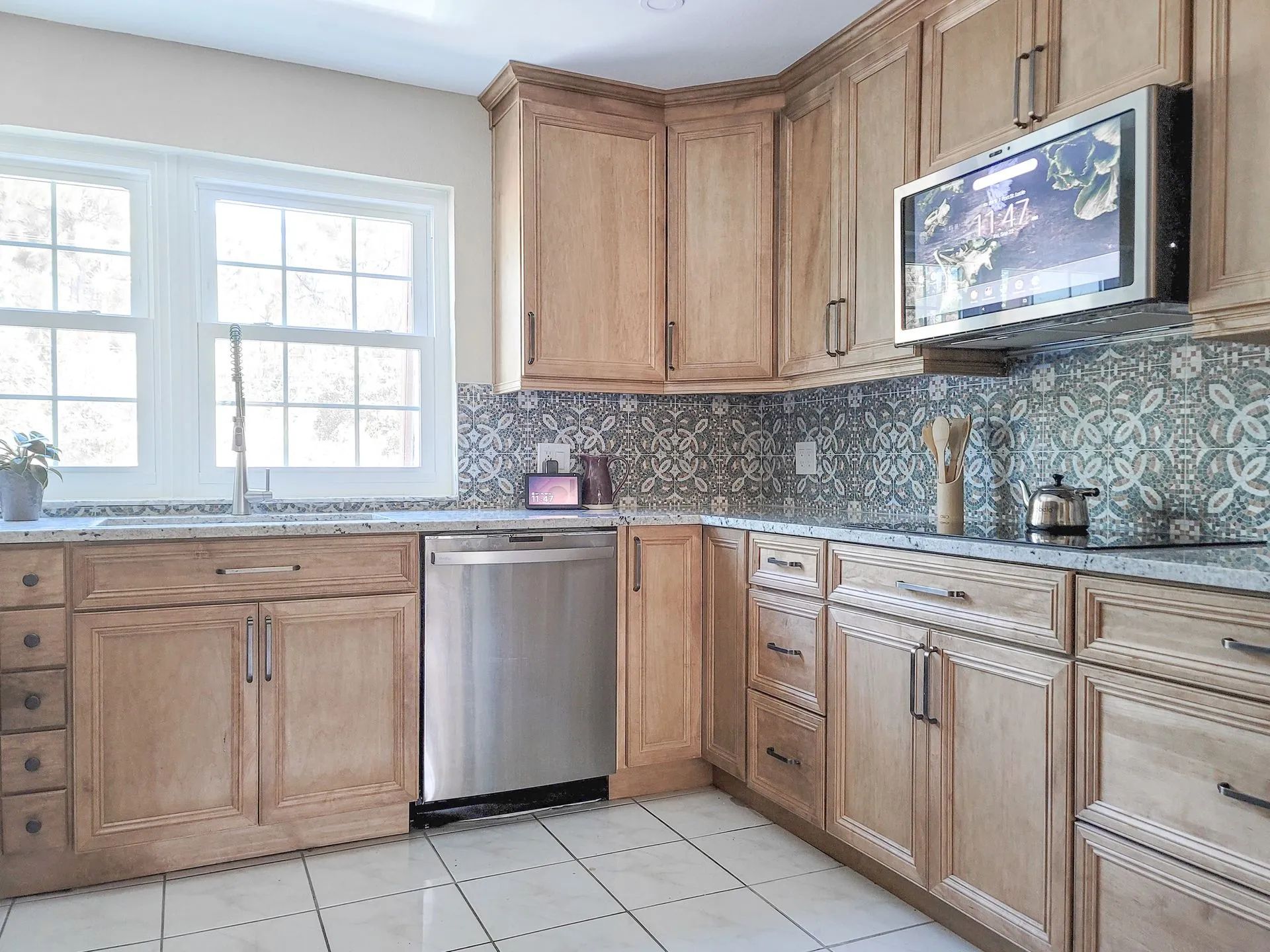
Electrical outlets are among the most common challenges in backsplash installation. Each outlet requires tiles to be cut precisely to fit around the electrical box while maintaining a clean, professional appearance. Installers use specialized tools such as wet saws, tile nippers, and angle grinders to achieve accurate cuts.
These tools require both investment and expertise. Improper use can lead to chipped tiles or uneven edges, which compromise the final look. Skilled installers factor in tool usage, wear, and expertise when determining pricing.
Safety and Code Considerations
Working around outlets is not just about aesthetics—it also involves safety. Tiles must be installed at the correct depth to ensure outlets sit flush with the wall surface. In some cases, electrical box extenders are needed to meet building codes.
Failure to address these details can create hazards such as loose outlets or exposed wiring. Professional installers understand these requirements and incorporate them into their workflow, which justifies higher labor costs.
Real-World Scenario
Consider a kitchen with eight outlets along the backsplash area. Each outlet requires precise cuts and adjustments, adding significant time to the project. While a simple backsplash might take one day, this scenario could extend the timeline to two or three days, directly impacting labor charges.
3. Tiling Around Windows
Handling Edges and Transitions
Windows introduce unique design and installation challenges. Unlike outlets, which are relatively small, windows create large interruptions that affect tile layout. Installers must carefully plan how tiles will align around the window frame to maintain symmetry and consistency.
Edges around windows often require finishing materials such as trim pieces or bullnose tiles. These elements enhance the appearance but add to both material and labor costs.
Dealing with Uneven Surfaces
Walls around windows are not always perfectly flat. Variations in drywall, framing, or previous installations can create uneven surfaces that complicate tile placement. Skilled installers must adjust tile thickness, use leveling systems, or apply additional mortar to achieve a uniform finish.
These adjustments require experience and attention to detail. Without proper handling, tiles may appear misaligned or uneven, diminishing the overall quality of the installation.
Best Practices for Window Areas
To achieve a professional result, installers follow several best practices:
- Dry-fitting tiles before applying adhesive
- Using spacers to maintain consistent grout lines
- Selecting appropriate trim for clean edges
- Ensuring proper sealing to prevent moisture intrusion
Each of these steps contributes to the final cost but ensures durability and visual appeal.
4. Installing Backsplash Around Range Hoods
Heat and Material Considerations
Range hoods present both design and functional challenges. The area behind a cooktop is exposed to heat, grease, and moisture, requiring materials that can withstand these conditions. Installers must select appropriate adhesives and grout to ensure long-term performance.
Additionally, certain tile materials may require special handling. For example, natural stone tiles need sealing to prevent staining, while glass tiles demand precise cutting techniques to avoid cracking.
Achieving Symmetry and Focal Points
The range hood area often serves as a focal point in kitchen design. Whether using a decorative tile pattern or a statement piece, achieving symmetry is critical. Installers must carefully align tiles to create a balanced and visually appealing centerpiece.
This process involves detailed measurements and sometimes custom cuts to ensure the design flows seamlessly from one side to the other. The added complexity increases both labor time and cost.
Example of Cost Impact
A decorative backsplash behind a range hood may involve intricate patterns such as herringbone or mosaic designs. These patterns require additional cutting and alignment, significantly increasing installation time. As a result, labor costs for this section alone can be higher than the rest of the backsplash combined.
5. Factors That Influence Pricing
Material Type and Complexity
The type of tile used plays a major role in determining installation costs. Ceramic and porcelain tiles are generally easier to cut and install, while glass, marble, and intricate mosaics require more skill and time. The more complex the material, the higher the labor cost.
Layout Design and Pattern
Simple layouts such as straight stacks are quicker to install, while patterns like subway offsets, herringbone, or chevron require additional planning and precision. Complex patterns often result in more waste and longer installation times.
Accessibility and Kitchen Layout
The overall layout of the kitchen also affects pricing. Tight spaces, limited access, or obstacles such as cabinets and appliances can make installation more challenging. Installers must navigate these constraints while maintaining quality, which adds to labor costs.
Regional Labor Rates
Labor costs vary depending on location and market demand. Areas with higher living costs or strong demand for skilled trades typically have higher installation rates. Understanding local pricing trends helps set realistic expectations.