
Step-by-Step Guide to Replacing Old Countertops Without Full Remodel
February 22, 2026
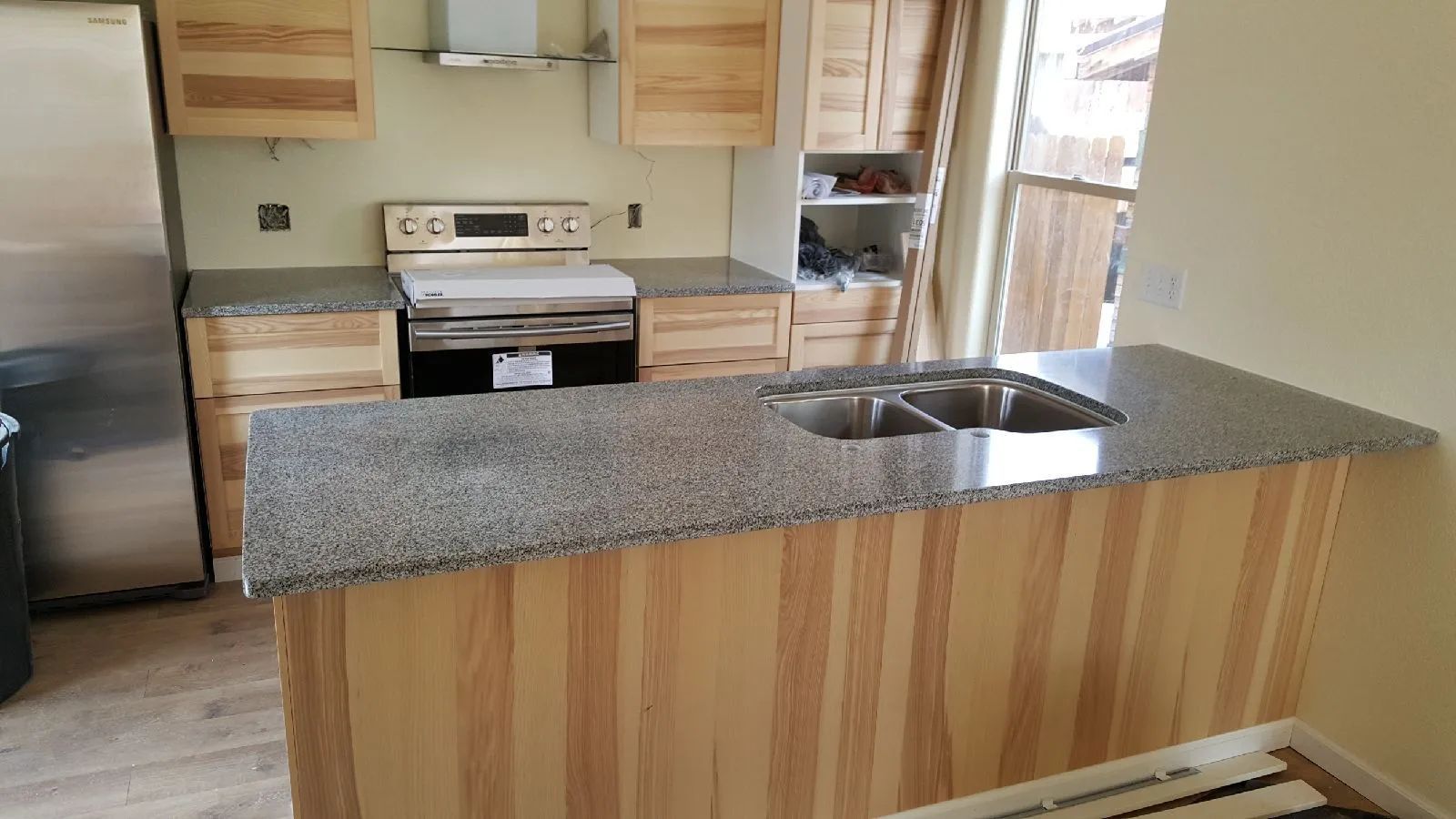
Updating a kitchen or bathroom can dramatically enhance the look and functionality of a home, but many homeowners are often deterred by the cost, time, and complexity of a full remodel. Replacing old countertops offers a practical solution to refresh the space without undergoing an extensive renovation. This approach allows homeowners to modernize surfaces, improve durability, and elevate overall aesthetics while avoiding the disruptions associated with tearing down cabinets, flooring, or plumbing. Understanding how to replace countertops efficiently and effectively is essential for both DIY enthusiasts and homeowners planning to hire professionals.
The relevance of this approach has grown in the interior design and home improvement industries, as homeowners increasingly seek cost-effective methods to maintain or increase property value. Countertops play a central role in functionality, hygiene, and design, making their replacement a high-impact improvement. By following a structured, step-by-step approach, it is possible to remove old countertops and install new ones with precision, safety, and minimal waste. This guide will provide actionable insights, highlight potential challenges, and outline best practices, empowering homeowners to achieve professional-quality results without the need for a full-scale renovation.
Expert Craftsmanship Ensuring Quality Countertop Replacements
Replacing old countertops without a full remodel is a practical, cost-effective method to modernize kitchens or bathrooms. By carefully planning, measuring, and selecting suitable materials, homeowners can execute a successful countertop replacement that balances aesthetics and functionality. Removing old surfaces, reinforcing cabinets, and installing new countertops with precision ensures durability and long-term satisfaction. Attention to finishing details, including sealing, cleaning, and maintenance, further enhances performance and keeps spaces looking fresh and inviting. Homeowners who follow a structured, step-by-step approach minimize errors, reduce disruptions, and achieve results comparable to full-scale renovations without the added expense or hassle.
At AMC Kitchen & Bath in Colorado Springs, Colorado, we bring over 17 years of experience to every countertop replacement project. Our team combines professional expertise with a commitment to quality, helping clients transform their kitchens and bathrooms efficiently and affordably. From material selection to precise installation and finishing touches, we ensure exceptional results tailored to each homeowner’s needs. Trust AMC Kitchen & Bath for reliable, expert guidance, and experience the difference of working with a company dedicated to craftsmanship, innovation, and client satisfaction.
1. Planning and Preparation
Assessing the Current Countertop
Before beginning any replacement project, it is essential to thoroughly evaluate the existing countertop. Consider the material, condition, and attachment method. Common materials include laminate, granite, quartz, and solid surface options, each requiring different removal techniques. Inspect for damage such as cracks, water stains, or warping, as these factors may influence the choice of replacement material and installation method. Understanding the current layout, including cutouts for sinks, cooktops, and backsplashes, ensures a smoother transition to the new countertop.
Measuring Accurately
Precise measurements are critical for a successful countertop replacement. Measure the length and width of each section, noting any corners, overhangs, or irregular angles. Include cutouts for sinks, faucets, and appliances, ensuring these dimensions are exact. Double-check all measurements to minimize errors, as inaccuracies can lead to gaps, uneven surfaces, or costly adjustments during installation.
Selecting a Replacement Material
Choosing the right countertop material balances durability, aesthetics, and budget. Laminate options offer affordability and variety, while natural stones like granite and marble provide a premium, long-lasting finish. Engineered quartz combines durability with low maintenance, making it popular in modern kitchens. Consider heat and scratch resistance, maintenance requirements, and visual appeal when making your selection. Expert advice from suppliers or home improvement professionals can help narrow down options.
Preparing the Workspace
Before removal begins, clear the area of appliances, utensils, and personal items. Protect cabinets, flooring, and surrounding surfaces with drop cloths or protective panels. Ensure you have the necessary tools, including pry bars, utility knives, screwdrivers, and safety equipment like gloves and goggles. Preparing a clean and organized workspace reduces the risk of accidents and ensures efficient workflow throughout the project.
2. Removing the Old Countertop
Disconnecting Utilities
For countertops with sinks, cooktops, or built-in appliances, turn off water and power supplies before starting removal. Disconnect plumbing and electrical connections carefully, labeling pipes and wires for easy reconnection later. This precaution prevents damage and ensures safety throughout the process.
Loosening Adhesives and Fasteners
Old countertops are often secured with screws, brackets, or adhesives. Start by removing screws and brackets beneath the countertop. Use a utility knife or putty knife to cut through caulk and adhesive around edges. Take care not to damage cabinets or wall surfaces, particularly with laminate or solid surface countertops, which may be tightly bonded.
Lifting and Removing Sections
Depending on the material and size, countertops may need to be removed in sections. With assistance, gently lift each section, supporting the weight evenly to prevent cracking. For heavy materials like granite or quartz, specialized lifting equipment may be required. Inspect the cabinet surfaces once the old countertop is removed to ensure they are clean, level, and free from damage before proceeding with installation.
Handling Disposal
Proper disposal of old countertops is crucial. Laminate, wood, and solid surface materials may be disposed of at local recycling centers or landfills, while stone surfaces may require specialized hauling. Consider environmentally friendly options, such as donating reusable materials or repurposing surfaces for secondary projects like workbenches or garden countertops. Safe and responsible disposal minimizes environmental impact and keeps the workspace organized.
3. Preparing Cabinets and Workspace
Inspecting Cabinet Integrity
Once the old countertop is removed, carefully inspect the underlying cabinets for damage, moisture, or structural weakness. Reinforce or repair any compromised areas, as a stable base is essential for supporting the new countertop, especially heavier materials like granite or quartz. Uneven cabinets may require shimming or leveling to achieve a smooth, professional finish.
Cleaning and Sanding
Thoroughly clean cabinet tops to remove dust, adhesive residue, or debris. Light sanding may be necessary to create a smooth surface for the new countertop. This step ensures strong adhesion if the new countertop requires bonding and prevents imperfections from transferring to the finished surface.
Adding Support and Reinforcements
Some countertops, particularly stone or solid surfaces, may require additional support to prevent sagging or cracking over time. Consider installing plywood underlays or additional brackets to distribute weight evenly. Proper reinforcement is especially important around overhangs, sink cutouts, or areas subject to frequent use.
Organizing Tools and Materials
Before installation, arrange all necessary tools, fasteners, adhesives, and measuring devices within easy reach. Having an organized workspace minimizes interruptions and reduces the risk of mistakes. Ensure that the new countertop pieces are acclimated to room temperature if required by the manufacturer, particularly for natural stone or engineered surfaces, to prevent expansion or contraction after installation.
4. Installing the New Countertop
Dry Fitting the Countertop
Begin by dry fitting the new countertop to verify dimensions and alignment. Place each section carefully, checking overhangs, corners, and cutouts for sinks or appliances. Adjust as necessary, marking areas for trimming or modification. Dry fitting ensures precise placement and identifies potential challenges before permanent installation.
Cutting and Adjusting
If adjustments are needed, use appropriate tools such as circular saws for laminate or jigsaws for stone substrates. Always follow manufacturer guidelines for cutting and handle materials safely with protective gear. Proper cutting ensures clean edges, tight joints, and a professional appearance.
Securing the Countertop
Once satisfied with the fit, apply adhesive or fasteners according to the material specifications. For laminate or solid surface countertops, construction adhesive is typically used, while heavier stone surfaces may rely on silicone or epoxy adhesives combined with mechanical supports. Ensure all sections are firmly secured and level, using clamps or temporary supports as needed during curing.
Sealing Joints and Edges
Sealing joints, seams, and edges enhances durability, prevents water infiltration, and provides a polished finish. Use color-matched silicone or caulk for seams and sink edges. Smooth the sealant with a putty knife or finger, ensuring a consistent appearance. Proper sealing not only improves functionality but also contributes to long-term maintenance and hygiene.
Reconnecting Utilities
Reinstall sinks, faucets, and appliances, carefully reconnecting plumbing and electrical components. Test each connection for leaks or proper operation. Confirm that overhangs, edges, and corners are aligned, and make minor adjustments if necessary. This step finalizes the functional aspects of the countertop while preparing the space for immediate use.
5. Finishing Touches and Maintenance Tips
Cleaning and Polishing
After installation, thoroughly clean the surface using manufacturer-approved cleaning solutions. Polishing may be necessary for materials such as granite, quartz, or solid surface countertops to enhance shine and highlight natural patterns. Avoid abrasive cleaners that may damage finishes or scratch surfaces.
Adding Accessories
Consider adding practical accessories such as edge guards, backsplash panels, or cutting boards to protect the countertop and extend its lifespan. Accessories enhance both aesthetics and functionality, creating a seamless, user-friendly workspace.
Regular Maintenance
Routine maintenance prolongs the life of your new countertop. Wipe surfaces daily, avoid placing hot pots directly on the material, and use cutting boards to prevent scratches. For stone countertops, periodic sealing may be required to maintain water and stain resistance. Proper care reduces wear, keeps surfaces looking new, and minimizes future repairs or replacement needs.
Common Pitfalls to Avoid
Avoid rushing the process, skipping measurements, or neglecting cabinet inspection. Improper adhesive use, misalignment, or inadequate support can result in damage or uneven surfaces. Following a structured, step-by-step approach mitigates these risks and ensures a professional outcome, even without a full remodel.