
Groutless Shower Panels vs. Traditional Tile: The Maintenance Difference No One Talks About

June 27, 2026

You scrub the grout lines every week. You re-seal every year. You spot a pinkish stain creeping back in three months after the last deep clean, and you start wondering if there is a better way. That frustration is exactly what sends most Colorado Springs homeowners searching for an alternative, and groutless shower panels keep coming up in the results.


The honest answer is that panels and tile are not even close when it comes to long-term maintenance burden. But the reasons why go deeper than "no grout lines to scrub." Understanding the full picture, including what panels actually require, where tile genuinely holds its own, and what our local water quality does to both surfaces, will help you make the right call for your specific bathroom and your real schedule.

Reliable Shower Solutions Backed by AMC's Local Experience

The core principle is straightforward: panels reduce weekly maintenance burden and eliminate grout as a failure point, but they introduce silicone seam care and surface scratch sensitivity that tile does not. In Colorado Springs, Colorado, where hard water accelerates mineral buildup and temperature cycling stresses grout joints more aggressively than the national average suggests, that trade-off lands in favor of panels for most homeowners who prioritize long-term ease over maximum surface durability.


At AMC Kitchen & Bath, we have handled bathroom renovations for over 17 years, delivering practical solutions backed by skilled craftsmanship. Our quality shower installation services help create attractive, low-maintenance bathrooms built for everyday use.

What Groutless Shower Panels Actually Involve

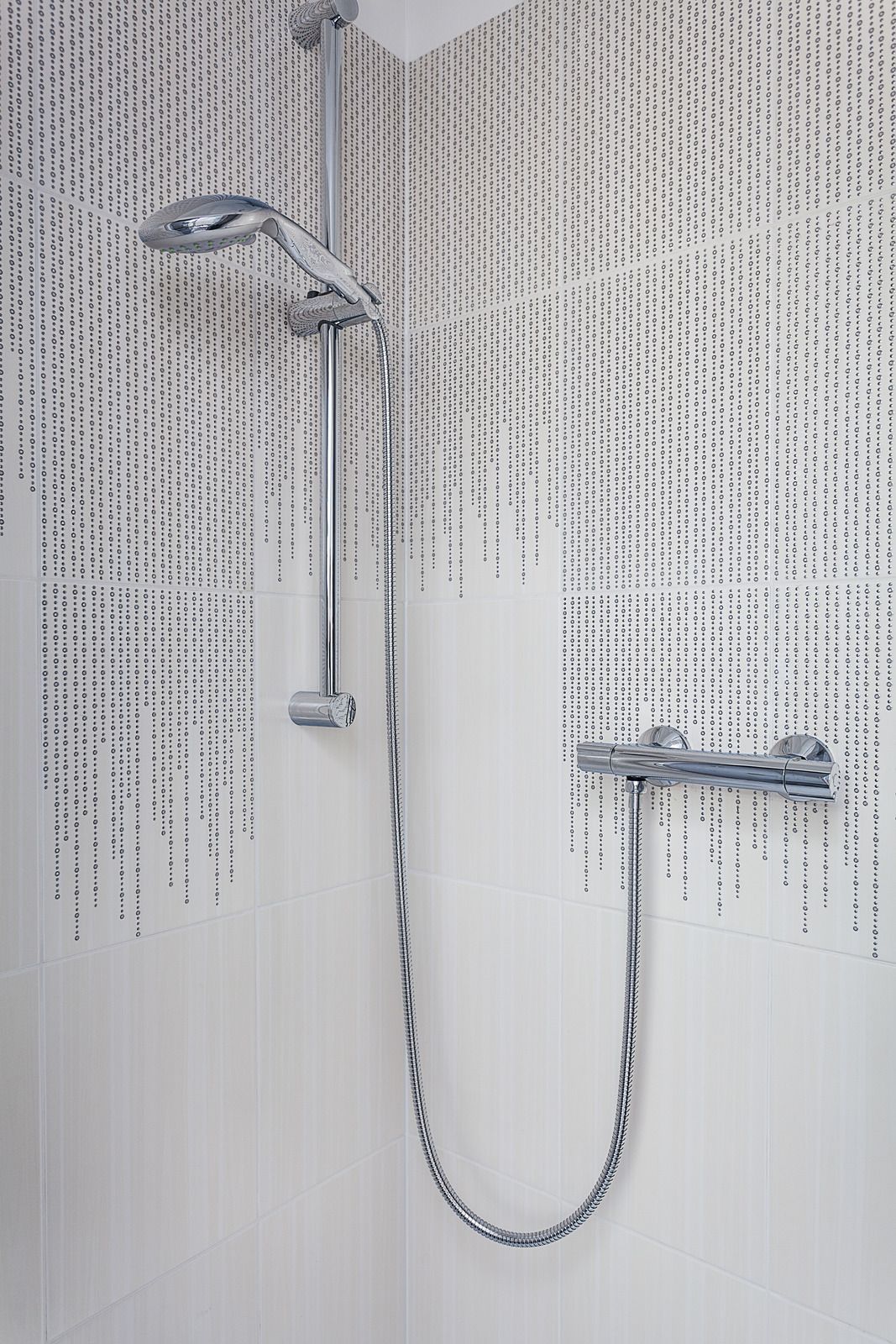
Groutless shower panels, typically solid acrylic, PVC composite, or large-format porcelain slabs, eliminate grout lines by covering the wall surface in continuous sheets. Most residential panels range from 3/8 inch to 1/2 inch thick and install directly over existing substrate or directly onto studs in a full gut renovation.


The maintenance shift is significant. There are no porous joints for mineral deposits or mold to colonize. A standard squeegee after each shower and a weekly wipe down with a non-abrasive cleaner handles the vast majority of upkeep. In hard-water markets like Colorado Springs, a monthly treatment with a diluted white vinegar solution prevents the calcium film that etches glossy surfaces over time.


However, panels have their own maintenance profile. Acrylic surfaces scratch more easily than ceramic or porcelain tile. Abrasive cleaners, stiff brushes, or even some name-brand bathroom sprays with micro-abrasive agents will dull the finish over three to five years. The seams where panels meet at corners or transitions require a flexible silicone joint rather than grout, and that silicone should be inspected annually. Silicone in a high-use shower typically needs replacement every five to eight years depending on product quality and how well the surface was prepared at installation.

Side-by-Side Maintenance Comparison

Maintenance Task Groutless Panels Traditional Tile
Daily upkeep Squeegee, 60 seconds Rinse and dry, 2 to 3 minutes
Weekly cleaning Non-abrasive wipe Grout scrubbing, 15 to 30 minutes
Annual tasks Inspect silicone seams Re-seal grout lines
Every 5 to 8 years Replace corner silicone Re-grout partial or full shower
Hard-water treatment Monthly vinegar wipe Monthly acid-based cleaner on grout
Mold risk Low, no porous joints Moderate to high in grout matrix
Scratch sensitivity Moderate (acrylic) Low (ceramic/porcelain)
Repair difficulty Seam re-siliconing Grout removal and reapplication

Diagnostic Symptoms: What Your Shower Is Telling You

What You Are Seeing Most Likely Cause Severity First Step
Grout lines turning pink or orange Bacterial growth inside grout Medium Treat with hydrogen peroxide, assess sealer condition
Chalky white film on tile or panels Mineral deposits from hard water Low Apply white vinegar solution, rinse thoroughly
Grout crumbling at base of shower Water infiltration from cracked seam High Stop use, probe substrate for softness
Loose tile that moves when pressed Failed substrate behind tile High Remove tile and inspect backer board
Silicone seam pulling away from panel Age or improper original installation Medium Re-clean, dry, and re-apply silicone
Dark staining that returns after cleaning Mold colonized inside grout Medium Strip and re-grout, address ventilation
Panel surface appearing dull or hazy Abrasive cleaner damage Low Switch products, apply polish formulated for acrylic
Water pooling behind baseboard near shower Active substrate leak High Stop use immediately, call for inspection

Prevention and Ongoing Maintenance

For groutless panels: Squeegee after every shower. Use only non-abrasive, pH-neutral cleaners. Apply a diluted white vinegar solution monthly to combat Colorado Springs hard water scale. Inspect corner silicone seams every spring after winter temperature cycles. Replace silicone proactively at seven years rather than waiting for visible failure.

For traditional tile: Re-seal grout every six months in a daily-use shower rather than annually. Use an acid-based mineral deposit remover monthly on grout, not just tile surfaces. Inspect grout at the shower floor perimeter quarterly because that low-movement zone fails first. Address any hairline cracks immediately before water reaches the substrate.

Both systems: Ensure your bathroom exhaust fan moves at least 50 CFM and runs for 15 minutes after every shower. Ventilation failure is the single most consistent factor we see in accelerated bathroom surface deterioration across Colorado Springs homes, regardless of which wall system is installed.

Common Mistakes Homeowners Make When Comparing These Systems

Many homeowners compare panels to tile based on installation appearance alone and overlook the seam requirement entirely. Panels still require silicone joints at corners, fixtures, and transitions. Those seams need proper prep and the right silicone product. A low-quality silicone applied over a surface that was not thoroughly cleaned and dried will fail in under two years, creating the same water infiltration risk that cracked grout produces.


The other common mistake is using a standard abrasive bathroom cleaner on acrylic panels. It removes the mineral film effectively the first few times, but it is simultaneously scratching the surface at a microscopic level. Over 12 to 18 months, the panel finish dulls and becomes harder to clean because the textured micro-scratches trap residue. Switching to a product specifically formulated for acrylic immediately stops the damage, but it does not reverse it.

Frequently Asked Questions

  • Do groutless shower panels work in hard-water areas like Colorado Springs?

    Yes, and they outperform tile in high-mineral water markets. No porous grout joints means scale stays on the surface and wipes away cleanly. A monthly diluted white vinegar application prevents calcium film from bonding permanently to acrylic panels over time.

  • How long does the silicone on shower panels last before it needs to be replaced?

    In a well-installed, properly ventilated shower, silicone seams remain intact for five to eight years. Professional-grade neutral-cure silicone outlasts contractor-grade products significantly. Annual inspections catch early separation before water infiltrates behind the panel, making repairs far simpler and less involved.

  • Can I install shower panels over existing tile without removing it?

    Often yes, if the tile is fully bonded and the surface stays flat within 1/8 inch over ten feet. Installing over cracked or loose tile traps moisture and creates long-term mold risk. We inspect existing conditions carefully before recommending overlay versus full removal.

  • Is traditional tile ever the better maintenance choice?

    For shower floors, yes. Tile handles foot traffic, dropped items, and wet surfaces better than acrylic panels. The maintenance advantage of panels applies to vertical wall surfaces only. Many Colorado Springs homeowners combine panel walls with a tiled floor for the best overall result.

  • What is the realistic investment difference between panels and tile for a standard shower remodel?

    Panel installations typically run lower in labor because the process moves faster than full tile work. Material selection drives the final range considerably. Premium large-format panel products close the gap with high-end tile. Your specific shower layout and existing conditions affect the final project scope.

Bright kitchen with wood cabinets, tiled backsplash, stainless dishwasher, window, and light tile floor
May 13, 2026
Backsplash installation is often perceived as a straightforward finishing touch, but the reality is far more complex when working around outlets, windows, and range hoods. These areas introduce precision challenges that demand advanced skills, specialized tools, and careful planning.
Warehouse aisle with stacks of labeled display racks and trays under bright overhead lights
April 20, 2026
Choosing the right backsplash tile is more than a design decision—it directly impacts how well a kitchen performs under daily heat, moisture, and grease exposure. In modern kitchens where cooking is frequent and often intensive, backsplash materials must balance aesthetics with durability.
A modern kitchen with dark cabinetry, granite countertops, a central island with bar stools, and recessed lighting.
March 17, 2026
When designing or renovating a kitchen, homeowners often focus on countertops, cabinets, and appliances—but one element that deserves equal attention is the backsplash.
Show More
Bright kitchen with wood cabinets, tiled backsplash, stainless dishwasher, window, and light tile floor
May 13, 2026
Backsplash installation is often perceived as a straightforward finishing touch, but the reality is far more complex when working around outlets, windows, and range hoods. These areas introduce precision challenges that demand advanced skills, specialized tools, and careful planning.
Warehouse aisle with stacks of labeled display racks and trays under bright overhead lights
April 20, 2026
Choosing the right backsplash tile is more than a design decision—it directly impacts how well a kitchen performs under daily heat, moisture, and grease exposure. In modern kitchens where cooking is frequent and often intensive, backsplash materials must balance aesthetics with durability.
A modern kitchen with dark cabinetry, granite countertops, a central island with bar stools, and recessed lighting.
March 17, 2026
When designing or renovating a kitchen, homeowners often focus on countertops, cabinets, and appliances—but one element that deserves equal attention is the backsplash.