
Maximizing Small Kitchens: Smart Cabinet Layouts & Storage Solutions
January 26, 2026
In today’s world, small kitchens are no longer just a compromise—they are an opportunity to create efficient, functional, and stylish spaces. With urban living and compact home designs on the rise, homeowners are increasingly challenged to make the most of limited kitchen space. Small kitchens demand intentional planning, clever layouts, and innovative storage solutions to ensure the space remains both practical and aesthetically appealing. How you utilize every inch can determine whether your kitchen feels cramped or comfortably organized. From cabinet placement to storage accessories, smart design choices can transform a small kitchen into a highly efficient culinary hub.
Optimizing a small kitchen goes beyond simply adding more shelves or drawers. It involves strategic planning to improve workflow, accessibility, and usability. With the right approach, even a modest kitchen can accommodate modern appliances, cookware, and pantry essentials without feeling cluttered. Homeowners, designers, and remodeling experts are increasingly prioritizing space-maximizing strategies, blending form and function seamlessly. This blog explores practical cabinet layouts, storage innovations, and design principles that help homeowners unlock the full potential of small kitchens. Whether you are renovating, remodeling, or simply seeking organization tips, understanding these strategies is essential for creating a kitchen that works beautifully within a limited footprint.
6. Real-World Examples and Practical Tips
Case Study: Urban Apartment Kitchen
In a compact urban apartment, the homeowner transformed a 120-square-foot kitchen into a functional culinary space. Tall cabinets with pull-down racks and deep drawers maximized storage. A combination of open shelving and glass-front cabinets allowed for display while maintaining an airy feel. Modular pantry bins and pull-out trash systems reduced clutter and streamlined workflow.
Small Family Kitchen Transformation
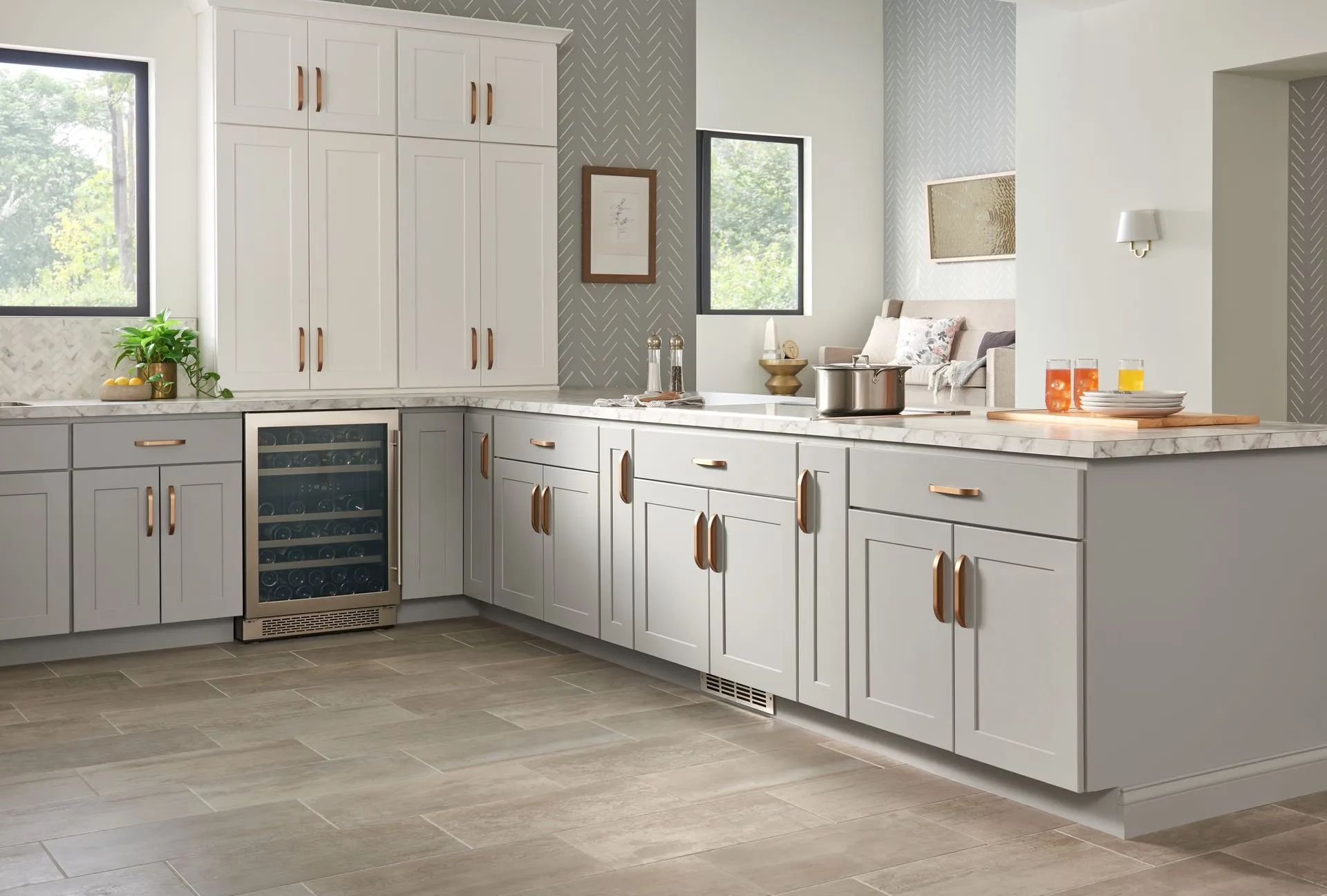
A small family kitchen was redesigned using an L-shaped cabinet layout with multi-functional features. A pull-out cutting board and hidden appliance garage freed up counter space, while corner lazy Susans made storage accessible. Light-colored cabinetry, reflective backsplash tiles, and minimal hardware visually expanded the space, demonstrating how thoughtful design can enhance both efficiency and aesthetics.
Expert Tips for Homeowners
- Measure everything before remodeling to ensure cabinets and storage solutions fit perfectly.
- Use vertical storage wherever possible to maximize space.
- Incorporate multi-functional cabinets for appliances and prep areas.
- Group similar items together in drawers, pantries, and cabinets for easy access.
- Choose light colors and reflective surfaces to make the kitchen feel larger and brighter.
Reliable Kitchen Storage Innovations From AMC Experts
Maximizing a small kitchen requires a careful balance of functionality, aesthetics, and smart planning. Efficient cabinet layouts, innovative storage solutions, and thoughtfully chosen accessories can transform even the most compact space into a highly functional kitchen. From pull-out drawers and corner solutions to tall pantries and under-cabinet storage, homeowners can implement practical strategies that enhance accessibility and streamline workflow. By prioritizing work zones, using vertical space wisely, and selecting light, cohesive designs, small kitchens can feel spacious, organized, and welcoming.
At AMC Kitchen & Bath
in Colorado Springs, Colorado, we bring over 17
years of experience to every
kitchen remodel. Our team specializes in crafting custom and semi-custom cabinet layouts, maximizing storage solutions, and designing kitchens that merge practicality with elegance. We work closely with homeowners to understand their unique needs, recommending solutions that enhance usability without compromising style. Trusted for our expertise and attention to detail, AMC Kitchen & Bath
transforms small kitchens into efficient, functional, and beautiful spaces that elevate daily living.
1. Optimizing Cabinet Layouts for Small Kitchens
The Importance of Efficient Layouts
Cabinet layout is the backbone of kitchen functionality. In small kitchens, every inch counts, and poorly planned cabinets can quickly create congestion. The most effective layouts consider workflow, accessibility, and storage capacity. Popular layouts for small kitchens include galley, L-shaped, U-shaped, and one-wall configurations. Each has distinct advantages:
- Galley kitchens maximize storage along two parallel walls, creating an efficient work triangle for cooking.
- L-shaped kitchens open up floor space, ideal for small apartments or open-plan homes.
- U-shaped kitchens offer abundant cabinet space, but careful planning is necessary to prevent crowding.
One-wall kitchens prioritize vertical storage and clever cabinet solutions to make the most of limited linear space.
Prioritizing Work Zones
Organizing cabinets according to work zones—prep, cooking, cleaning, and storage—enhances efficiency. For example, placing utensils, cutting boards, and prep tools near the countertop and sink improves accessibility. Similarly, storing pots, pans, and cooking essentials near the stove reduces unnecessary movement. Thoughtful zoning ensures that small kitchens feel functional rather than cramped.
Leveraging Vertical Space
In small kitchens, vertical space is often underutilized. Floor-to-ceiling cabinets not only provide ample storage but also create a sleek, continuous look. Incorporating tall cabinets with adjustable shelves allows homeowners to store bulk items, small appliances, and seasonal cookware efficiently. Adding pull-down racks or step stools ensures that higher shelves remain accessible without sacrificing convenience.
2. Innovative Storage Solutions for Maximum Efficiency
Pull-Out Cabinets and Drawers
Pull-out cabinets and drawers transform deep or hard-to-reach spaces into accessible storage areas. Pull-out spice racks, pantry shelves, and trash bins maximize functionality while maintaining organization. These solutions prevent wasted space at the back of cabinets, making it easier to locate items without bending or reaching awkwardly.
Corner Cabinet Solutions
Corner cabinets in small kitchens often become underutilized voids. Installing lazy Susans, swing-out trays, or pull-out corner shelves can turn these awkward spaces into highly functional storage areas. These solutions provide easy access to pots, pans, and small appliances, effectively using every inch of the kitchen.
Multi-Functional Cabinet Features
Innovative cabinet designs now incorporate multi-functional features, such as built-in cutting boards, pull-out dining surfaces, or integrated appliance garages. These designs reduce countertop clutter while keeping essential items within reach. For example, a pull-out cabinet for a microwave or toaster oven keeps these appliances tucked away when not in use, freeing up valuable counter space for food preparation.
3. Maximizing Pantry and Food Storage
Tall Pantries and Pull-Out Shelves
Even in small kitchens, having a dedicated pantry space is possible with tall cabinets and pull-out shelving systems. These allow homeowners to store canned goods, dry ingredients, and small appliances efficiently. Pull-out pantry shelves provide clear visibility, preventing items from being lost in deep cabinets and reducing food waste.
Using Modular Storage Solutions
Modular storage units, such as stackable bins and adjustable shelving inserts, allow for flexible pantry organization. These solutions can be customized to fit various cabinet heights and widths, accommodating everything from baking supplies to bulk items. Modular units also make it easier to reorganize as storage needs change, offering long-term adaptability.
Refrigerator and Freezer Storage Optimization
Small kitchens often have limited refrigeration space, making organization essential. Using clear bins, lazy Susans, and adjustable shelves inside the refrigerator and freezer ensures that items remain visible and accessible. Labeling containers and grouping similar items together further enhances efficiency and reduces food spoilage.
4. Smart Cabinet Accessories for Small Kitchens
Drawer Dividers and Inserts
Drawer dividers and inserts help maintain order in utensil and cutlery drawers. They prevent clutter and allow homeowners to easily find what they need. Adjustable inserts accommodate items of varying sizes, ensuring that drawers are used efficiently.
Pull-Down and Swing-Down Racks
Cabinets with pull-down or swing-down racks are ideal for small kitchens with high cabinets. These mechanisms bring items down to counter level, eliminating the need for step stools or stretching. They work particularly well for glassware, spices, and pantry staples.
Built-In Recycling and Waste Solutions
Incorporating waste and recycling bins into cabinet designs keeps small kitchens tidy. Pull-out trash and recycling drawers hide unsightly bins while making disposal convenient. Some systems even include compost compartments, contributing to sustainable kitchen practices.
Under-Cabinet Storage
Under-cabinet storage solutions, such as hanging racks for mugs or utensils, maximize vertical space without occupying counters. Magnetic knife strips, hooks, and rails keep frequently used items within reach, reducing clutter and improving workflow.
5. Design Principles That Enhance Small Kitchens
Light Colors and Reflective Surfaces
Cabinet colors and finishes have a significant impact on how spacious a kitchen feels. Light-colored cabinets, such as whites, creams, or pastels, create an open and airy atmosphere. Reflective surfaces like glass-front cabinets, mirrored backsplashes, or glossy finishes enhance light distribution, making the space feel larger.
Consistent Cabinet Heights and Lines
Maintaining consistent cabinet heights and lines contributes to a cohesive, uncluttered look. Avoiding unnecessary breaks or mismatched cabinetry prevents visual chaos, which is especially important in small kitchens. Continuous lines draw the eye upward, creating the illusion of height and space.
Minimalistic Hardware
Selecting minimalistic, sleek hardware can streamline the appearance of cabinets. Recessed handles or integrated pulls reduce visual clutter while maintaining functionality. Less ornate designs help the kitchen feel clean, organized, and modern.
Open Shelving for a Spacious Feel
Incorporating open shelves strategically can break up cabinet monotony and make small kitchens feel less confined. Open shelving provides space for decorative items, everyday dishes, or frequently used cookware. However, careful curation is essential to avoid creating a cluttered appearance.