
Painted vs Stained Cabinets in a Dry, High-Altitude Climate: Which Holds Up?
August 21, 2026
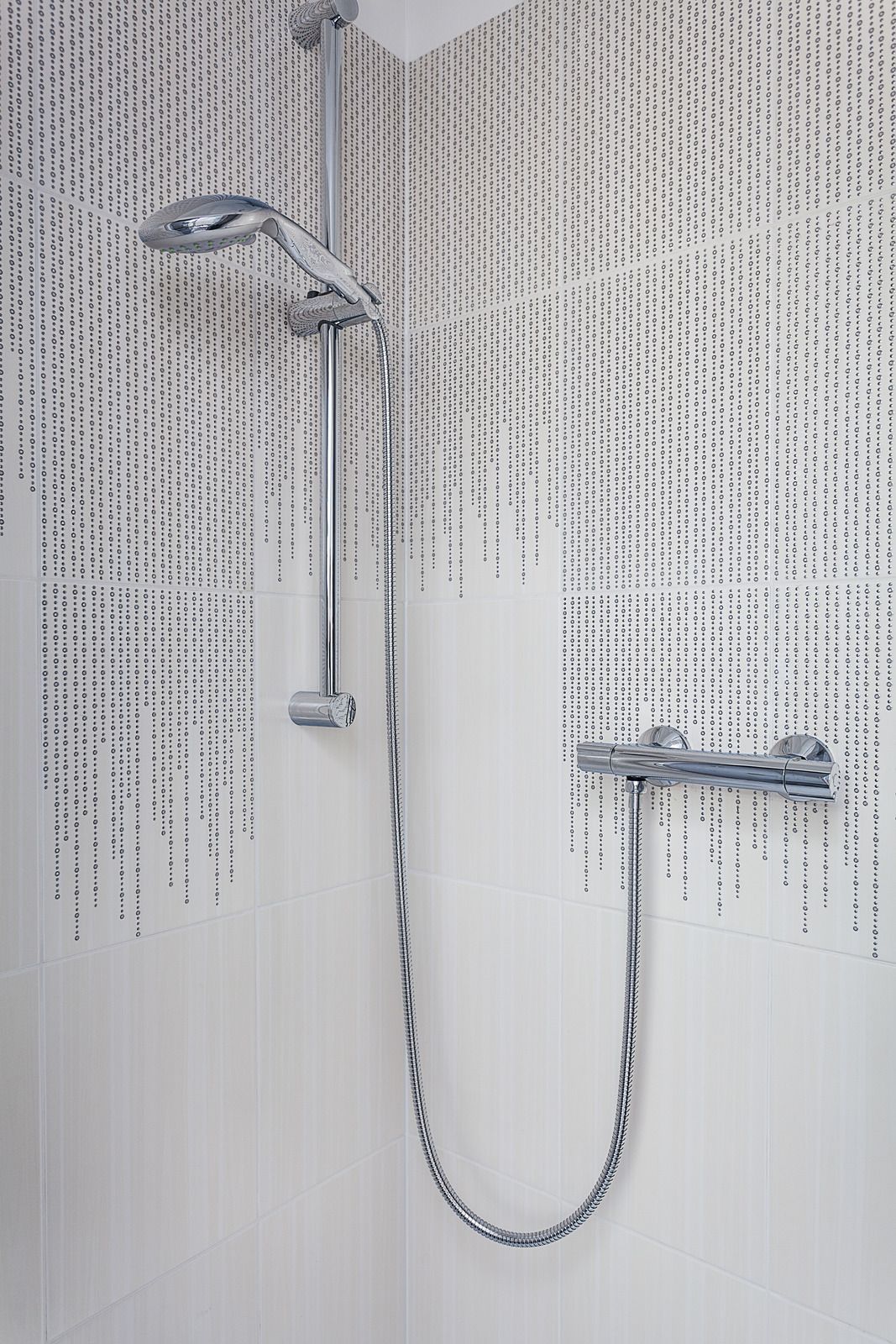
Both systems: Ensure your bathroom exhaust fan moves at least 50 CFM and runs for 15 minutes after every shower. Ventilation failure is the single most consistent factor we see in accelerated bathroom surface deterioration across Colorado Springs homes, regardless of which wall system is installed.
Do groutless shower panels work in hard-water areas like Colorado Springs?
Yes, and they outperform tile in high-mineral water markets. No porous grout joints means scale stays on the surface and wipes away cleanly. A monthly diluted white vinegar application prevents calcium film from bonding permanently to acrylic panels over time.
How long does the silicone on shower panels last before it needs to be replaced?
In a well-installed, properly ventilated shower, silicone seams remain intact for five to eight years. Professional-grade neutral-cure silicone outlasts contractor-grade products significantly. Annual inspections catch early separation before water infiltrates behind the panel, making repairs far simpler and less involved.
Can I install shower panels over existing tile without removing it?
Often yes, if the tile is fully bonded and the surface stays flat within 1/8 inch over ten feet. Installing over cracked or loose tile traps moisture and creates long-term mold risk. We inspect existing conditions carefully before recommending overlay versus full removal.
Is traditional tile ever the better maintenance choice?
For shower floors, yes. Tile handles foot traffic, dropped items, and wet surfaces better than acrylic panels. The maintenance advantage of panels applies to vertical wall surfaces only. Many Colorado Springs homeowners combine panel walls with a tiled floor for the best overall result.
What is the realistic investment difference between panels and tile for a standard shower remodel?
Panel installations typically run lower in labor because the process moves faster than full tile work. Material selection drives the final range considerably. Premium large-format panel products close the gap with high-end tile. Your specific shower layout and existing conditions affect the final project scope.
You are standing in a showroom looking at two identical door samples, one painted a crisp white and one stained to show off the wood grain, and you are trying to picture how each one will look in your kitchen five or ten years from now. That question matters more here than it does in most parts of the country, because the Front Range's thin, dry air treats wood cabinetry differently than the humid climates most national cabinet advice was written for.
Quick Answer: In a low-humidity, high-altitude climate like Colorado Springs, stained cabinets generally show seasonal wood movement more gracefully because the color lives inside the wood grain rather than sitting on top of it as a separate film. Painted cabinets can look flawless for years, but the painted film is more likely to reveal hairline cracks at joints and seams as the wood beneath it shrinks and swells with the seasons. Neither finish is wrong for this climate, but each one asks something different of you as a homeowner.
Why Colorado's Air Is Harder on Cabinets Than You'd Expect
Colorado Springs sits at roughly 6,000 feet with an average relative humidity that is a fraction of what you'd find in a coastal or Midwest city. That dryness pulls moisture out of everything organic in your home, including the solid wood components in your cabinet doors and face frames. Wood is hygroscopic, meaning it constantly absorbs and releases moisture to reach equilibrium with the surrounding air. When your indoor humidity swings from a dry winter (sometimes into the teens or low twenties percent) to a more humid summer, the wood in your cabinet doors expands and contracts along with it.
That movement is normal and expected in any well-built cabinet. What changes based on climate is how visible it becomes. In a wetter region, the swing between seasons is smaller, so the wood settles into a narrower range and the finish rarely gets stressed. In a high, dry climate, the swing is wider and happens faster, especially right after a hard freeze or during the driest stretch of winter when furnaces run constantly and strip even more moisture from the indoor air.
How a Painted Finish Behaves Under Stress
A painted cabinet door is built in layers: primer, then paint, then usually a topcoat, all bonded to the wood surface. Paint does not flex the same way the wood underneath it does. When the panel inside a frame-and-panel door shrinks slightly during a dry spell, the paint film has to stretch or crack somewhere, and the place it usually gives is at the seam where the panel meets the frame, or at a mitered corner where two pieces of wood meet at an angle.
Where painted doors tend to show wear first:
- Panel Edges: The recessed center panel of a raised- or flat-panel door moves independently of the surrounding frame, so this seam is the first place a hairline crack tends to open.
- Corner Joints: Any point where end grain meets long grain moves unevenly, which puts extra stress on the paint film right at the joint.
- Areas Near Heat Sources: Cabinets flanking a range or oven see more temperature and humidity swings than the rest of the kitchen, and that extra cycling shows up as fine cracking sooner in those specific doors.
None of this means painted cabinets are a poor choice for this climate. It means the finish quality and the door construction matter more here than they would in a humid region. A door built from solid wood with a properly floated panel, finished with a flexible, catalyzed paint system, tolerates Front Range humidity swings far better than a cheaply built door with a rigid finish over a poorly seasoned panel.
How a Stained Finish Behaves Under the Same Stress
Stain works differently because it is absorbed into the wood fibers rather than forming a separate film on the surface. A clear topcoat still sits over the stain, but because the color itself is part of the wood, small movement in the grain does not create the same visual contrast between "finish" and "crack" that you get with paint. If a stained panel shrinks slightly in a dry January, you might notice a faint line at the panel edge where unfinished wood peeks through, but it typically reads as a shadow line rather than a crack, and it often disappears again once humidity returns to normal.
Stained cabinets also tend to hide the small dings and wear marks that accumulate in a working kitchen better than a solid painted surface does, because the grain pattern breaks up the eye's ability to spot minor surface imperfections. That is one reason stained wood has stayed a durable, low-maintenance option for busy households at elevation, even as painted cabinetry has become more popular for its clean, modern look.
Species and Construction Matter as Much as the Finish Itself
Before you decide between paint and stain, it is worth understanding that the wood species and how the door itself is built have just as much influence on long-term performance as which finish goes over the top.
Species behavior in dry climates:
- Maple is dense and tight-grained, which makes it a strong substrate for paint because it resists telegraphing grain texture through the finish, but its density also means it can be less forgiving of rapid moisture loss in very dry winters.
- Cherry and alder move more readily with humidity changes but tend to hide that movement well under a stained finish because of their natural color variation.
- Oak's open grain pattern is well suited to staining, since the grain itself becomes part of the design, but that same open grain can trap unevenly under a painted finish if the surface isn't properly filled first.
Construction quality is the other half of the equation. A cabinet door built with a true floating panel, meaning the center panel is not glued rigidly into the frame but allowed to expand and contract inside a groove, tolerates seasonal movement far better than a door where the panel is bonded solid. This is true regardless of whether the door is painted or stained, and it is one of the first things worth asking about when you're comparing cabinet lines side by side.
What This Means for Your Kitchen Decision
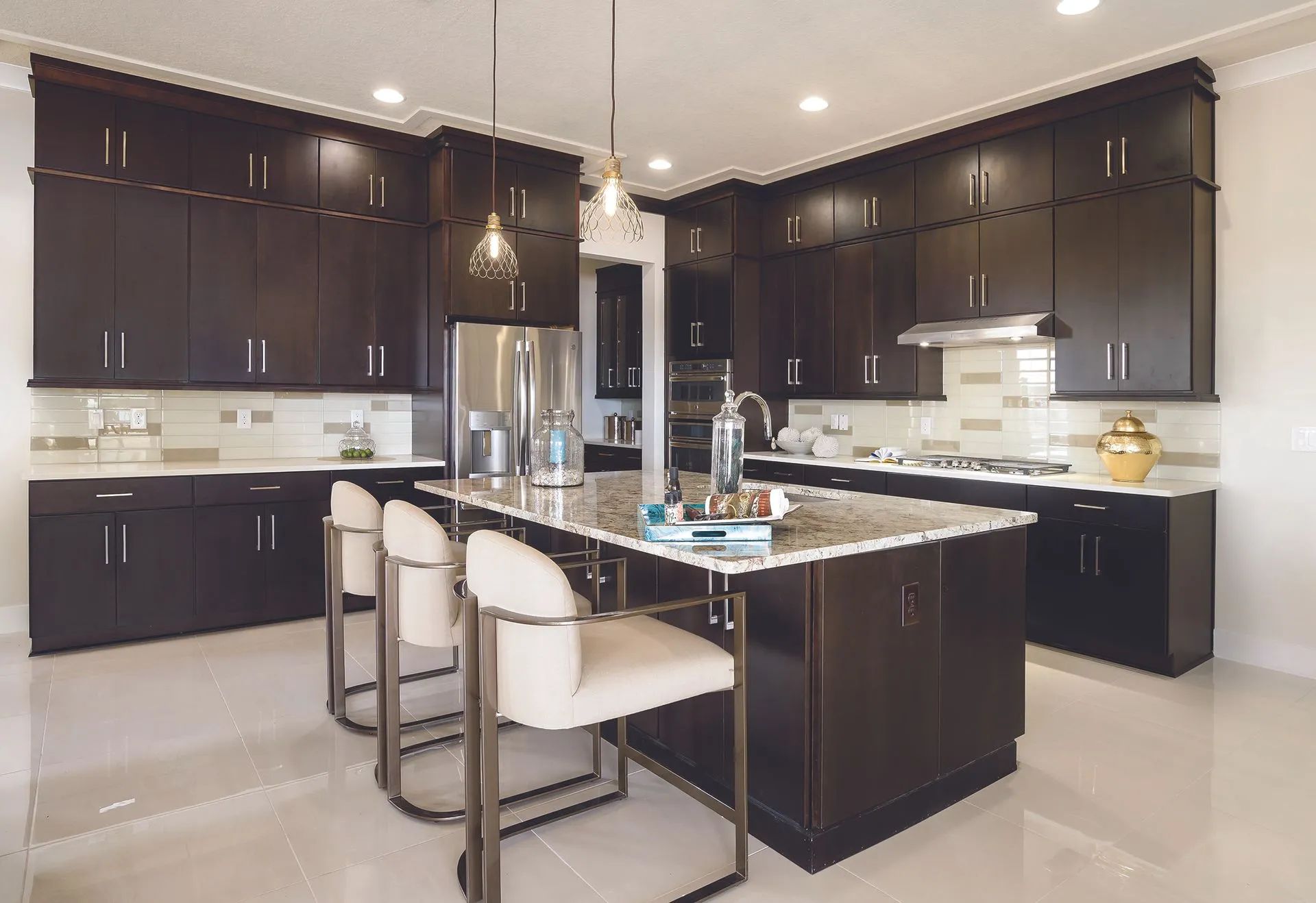
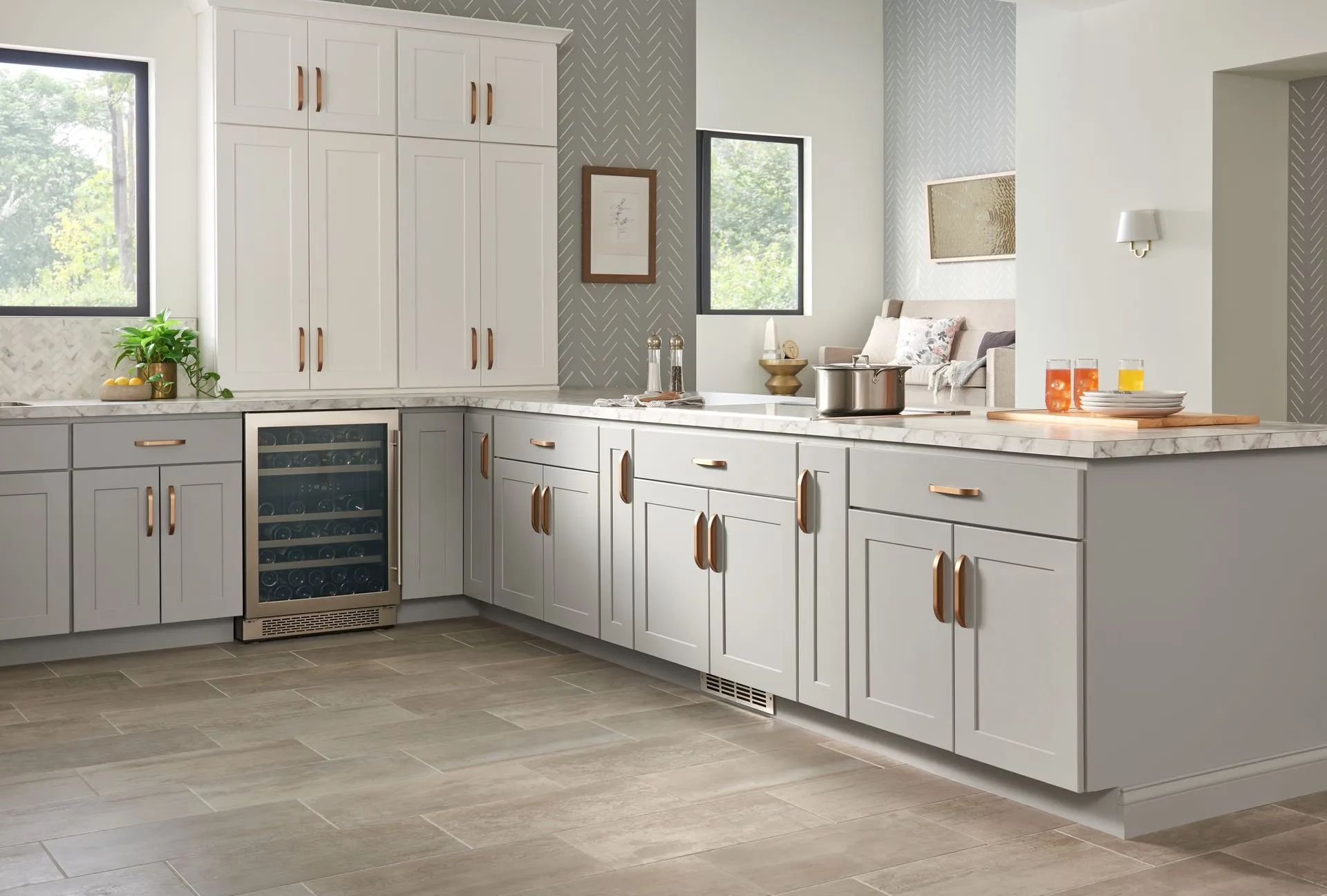
If you are drawn to a painted look, whether that's a classic white shaker or a deeper contemporary color, you do not need to rule it out because of the local climate. You do want to prioritize solid wood door construction with a properly floated panel and a quality catalyzed finish over a cheaper builder-grade paint job, since that combination is what keeps the finish looking clean through repeated dry-summer cycles.
If durability with minimal visible wear is your top priority and you like the warmth of natural wood grain, stain remains one of the most forgiving finishes for this region. It ages gracefully, and the small movement lines that do appear tend to blend into the grain rather than standing out as a defect.
Many homeowners in the Front Range end up mixing the two: painted upper cabinets paired with a stained wood island or lower bank of cabinets, which gets the clean look of paint in the areas least exposed to temperature swings near appliances, while using stain's forgiving nature in the high-traffic, high-heat zones around the range and sink.
Tip: Keep your home's indoor relative humidity as stable as you reasonably can, ideally somewhere in the 30 to 45 percent range year-round, using a humidifier during the driest winter months. Stable humidity is the single biggest factor in how well any cabinet finish, painted or stained, holds up over time, because it reduces the frequency and severity of the wood movement that stresses the finish in the first place.
Maintenance Habits That Extend Either Finish's Life
Whichever finish you choose, a few habits go a long way toward keeping cabinets looking new for years.
For painted cabinets:
- Wipe spills promptly, especially near the range, since heat and moisture together are the fastest way to stress a paint film at a seam.
- Use a soft, slightly damp cloth for cleaning rather than abrasive pads, which can dull or scratch the surface over time.
- Avoid slamming doors and drawers, since repeated impact at hinge points is a common source of chipping near hardware.
For stained cabinets:
- Dust regularly with a microfiber cloth to prevent buildup in the grain texture.
- Reapply a manufacturer-recommended cabinet polish or conditioner periodically to keep the topcoat from drying out under low humidity.
- Keep cabinets near the sink dry after use, since standing water can dull a stained finish's sheen faster than it affects paint.
The Kitchen Cabinet Manufacturers Association's A161.1 performance standard, which reputable cabinet lines are tested against, specifically evaluates finish resistance to household liquids and humidity cycling as part of certification. Asking whether a cabinet line carries that certification is a useful, non-technical way to gauge whether the finish underneath the color you're choosing was actually built to hold up to real kitchen use, not just look good on a showroom sample.
Making the Call for Your Own Kitchen
There is no universally "better" option between painted and stained cabinets in this climate. The right call depends on how much visible wear you're willing to tolerate, how close your cabinets sit to heat and moisture sources, and how much control you have over your home's indoor humidity through the seasons. A well-built door in either finish, paired with reasonable humidity management, will perform well for decades. The difference mostly comes down to how that normal wood movement shows up on the surface over time, and which look you'd rather live with as your kitchen settles into its new environment.
Warning: Be cautious of cabinet lines that use thermofoil or vinyl wraps marketed as a "painted look" alternative. These wrapped finishes are bonded to the substrate with heat-sensitive adhesive, and repeated exposure to a Front Range kitchen's dry-to-humid swings, combined with heat from a nearby range or dishwasher, can cause the wrap to lift or peel at the edges over time in a way that solid wood with a true paint or stain finish does not.
Frequently Asked Questions
Does a stained finish need to be reapplied more often than paint in this climate?
Not typically. A quality stain-and-topcoat system is designed to last as long as a quality paint system when properly maintained. The topcoat, not the stain itself, is what protects the wood, so its condition matters more than which color method you chose underneath it.
Will painted cabinets definitely crack eventually in Colorado Springs?
Not necessarily, but the risk is higher than in a humid climate if the door construction or finish quality is subpar. Solid wood doors with floating panels and a flexible, professionally applied paint system are far less prone to cracking than mass-produced doors with rigid panel construction.
Can I mix painted and stained cabinets in the same kitchen?
Yes, and it's a common approach in this region. Pairing a stained island or lower cabinet run with painted perimeter cabinets balances aesthetics with practical durability near high-heat, high-moisture zones.
Does cabinet species matter more than the finish itself?
Both matter, but species and door construction largely determine how much the wood moves, while the finish determines how visible that movement becomes. A well-built door in a stable species handles either finish better than a poorly built door in an unstable one.
Is running a humidifier really necessary just for my cabinets?
It's one of several benefits, and cabinets are far from the only reason to stabilize indoor humidity at altitude. Wood flooring, trim, and even musical instruments benefit from the same 30 to 45 percent humidity range, so a whole-home humidifier tends to pay off across more than just your kitchen.
Choosing a Cabinet Finish That Ages Well
Painted and stained cabinets can both perform beautifully in Colorado Springs, CO, when quality materials, proper construction, and stable indoor humidity are part of the equation. With 17+ years of experience, AMC Kitchen & Bath understands how the region's dry, high-altitude conditions affect cabinet finishes over time. Paint offers a smooth, refined appearance, while stain naturally disguises minor seasonal movement, making either option practical when matched with well-built doors and durable finishing systems.
Ultimately, the better finish is the one that fits your preferred style, maintenance expectations, and everyday kitchen conditions. Paying attention to wood species, floating-panel construction, finish quality, and humidity control will have a greater impact on longevity than choosing paint or stain alone. When those fundamentals are handled correctly, cabinets can age naturally without losing their character, allowing the kitchen to remain attractive, comfortable, and cohesive through Colorado's changing seasons for many years to come.